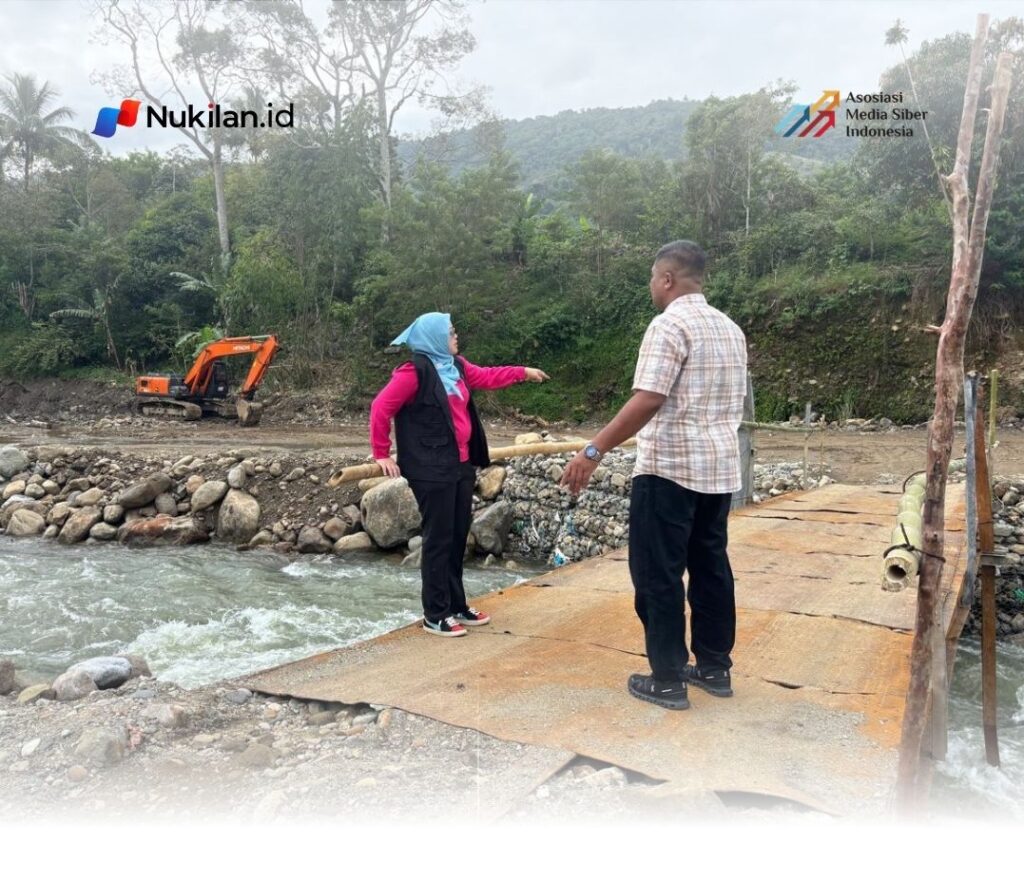
Aceh – Indonesia, The Coordinating Ministry for Human Development and Cultural Affairs (Kemenko PMK) is strengthening its monitoring of the post-hydrometeorological disaster rehabilitation and reconstruction process in Central Aceh Regency. The effort also focuses on collecting data on direct economic losses affecting the Gross Regional Domestic Product (GRDP).
This initiative is part of Kemenko PMK’s mandate under the Master Plan for Post-Disaster Rehabilitation and Reconstruction (Renduk PRRP) for Sumatra. Assistant Deputy for Disaster Management at Kemenko PMK Merry Efriana stated this while leading a monitoring and evaluation session in Central Aceh on Thursday (1/10/2026).
During the process, Kemenko PMK is not only evaluating physical repair progress following the disaster. The government is also encouraging the availability of accurate, measurable, and accountable economic loss data.
Such data is required to gain a clearer understanding of the disaster’s direct impact on local economic activities, including the overall scale of financial losses incurred.
“Calculating the percentage of direct economic losses from disasters against the GRDP is an essential part of building a more measurable disaster loss database. This data does not merely illustrate the magnitude of the impact, but also serves as a foundation for rehabilitation and reconstruction planning, as well as future development policy making,” Merry explained.
The economic loss data collection is also linked to Target C of the Sendai Framework for Disaster Risk Reduction (SFDRR) 2015–2030. Under this global framework, reducing direct economic loss is a key indicator in disaster risk reduction efforts.
The economic losses in question cover several sectors, ranging from agriculture, productive assets, and housing to critical infrastructure.
“Therefore, the data we collect must accurately reflect actual conditions on the ground. We need to ensure that the damage and loss data submitted by local governments directly correlates with the resulting economic impact, so it can form part of a more comprehensive calculation,” she added.
The monitoring activities began with a coordination meeting alongside the Regent, Vice Regent, and officials from local government agencies (OPD) in Central Aceh Regency. The meeting discussed the completeness of data instruments held by the local government.
Following administrative validation, the Kemenko PMK team proceeded to conduct a field inspection in Mendale Village. The visit aimed to cross-check data regarding damage to infrastructure, residential areas, and plantation land affected by the 2025 hydrometeorological disaster.
Field monitoring is scheduled to continue until Friday (2/10/2026). Target inspection sites include road sections, bridges, and other strategic public facilities.
Through this synchronization process between local government data and field conditions, Kemenko PMK hopes that the assessment in Central Aceh will strengthen the disaster loss database across Sumatra. The data is also expected to support the achievement of disaster risk reduction indicators within the global framework.