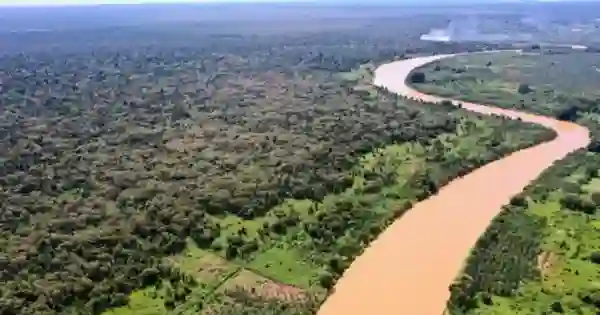
Aceh – Indonesia, RAWA Singkil is a vital habitat for several key wildlife species in the forests of Aceh. Orangutans, tigers, sun bears, pangolins, and saltwater crocodiles inhabit this peat swamp forest. These crucial animals serve as the pillars sustaining the wildlife reserve.
This swamp is one of the important peatlands in Sumatra, spanning approximately 82,000 hectares. It stores vast amounts of carbon, acts as a natural water regulator, and harbors rich biodiversity. The swamp forms a crucial part of the Leuser Ecosystem.
Despite playing such a critical role, Rawa Singkil faces severe pressure from human activities. While wildlife and conservationists view the swamp as an essential ecosystem supporting life, profit-seekers see it merely as land to generate money through palm oil plantations.
The swamp is being drained by long-reach excavators, and its trees are being felled. The Aceh Natural Resources Conservation Agency (BKSDA) uncovered findings of 400 hectares of palm oil plantations inside the wildlife reserve. The actual figure could be significantly higher.
However, the loudest narrative often emerges when the “hosts” come into conflict with humans. Crocodile attacks on humans, for instance, gain far more publicity. The prevailing sentiment leans toward exterminating crocodiles, viewing them purely as a threat. In reality, this is simply a matter of cause and effect.
Rawa Singkil is a complex ecosystem. The local crocodile population could number in the hundreds. While that figure may sound alarming, it demonstrates that Rawa Singkil is capable of sustaining top predators.
These crocodiles do not actively hunt humans; they merely respond to habitat changes. Excavated canals create new waterways, bringing crocodiles closer to human settlements. As habitats alter, wildlife movement routes shift accordingly.
The Aceh BKSDA’s findings regarding the 400 hectares of oil palm land within the Rawa Singkil Wildlife Reserve must be followed up with law enforcement. Encroachment activities within the wildlife reserve must not be allowed to expand further.
If boundary disputes remain unresolved, the Aceh BKSDA must immediately coordinate with relevant authorities to clearly delineate the borders. Removing grey areas only serves a handful of profit-seekers. Vital components of our ecosystem are at stake here.
The Aceh BKSDA needs to pioneer more dynamic landscape management, shifting the paradigm from species protection to managing human-nature relations. Upgrading the reserve’s status to a national park is essential to ensure the long-term protection of Rawa Singkil.***