Aceh – Indonesia, BERITA RAKYAT ACEH | Banda Aceh — Amid the rapid rise of digital media and evolving criminal law in Indonesia, the boundary separating press freedom, ethical violations, press disputes, and criminal offenses has become a critical issue for media professionals to grasp.
Driven by these concerns, the Leadership Forum [FPRMI Aceh] will host a discussion from 09:00 to 12:30 WIB at Anjong Mon Mata, Banda Aceh.
This seminar is essential as today’s journalistic work faces not only issues of reporting accuracy and ethics, but also increasingly complex legal consequences.
Furthermore, news content published across online news sites and social media platforms can go viral within seconds, reaching vast audiences instantly.
Under these conditions, missteps in coverage, verification, source selection, drafting, or content distribution can easily trigger legal challenges. However, not every journalistic error constitutes a criminal offense.
This distinction forms the core focus of FPRMI Aceh’s upcoming forum: examining where press freedom, code of ethics violations, press disputes, and criminal liability intersect and diverge.
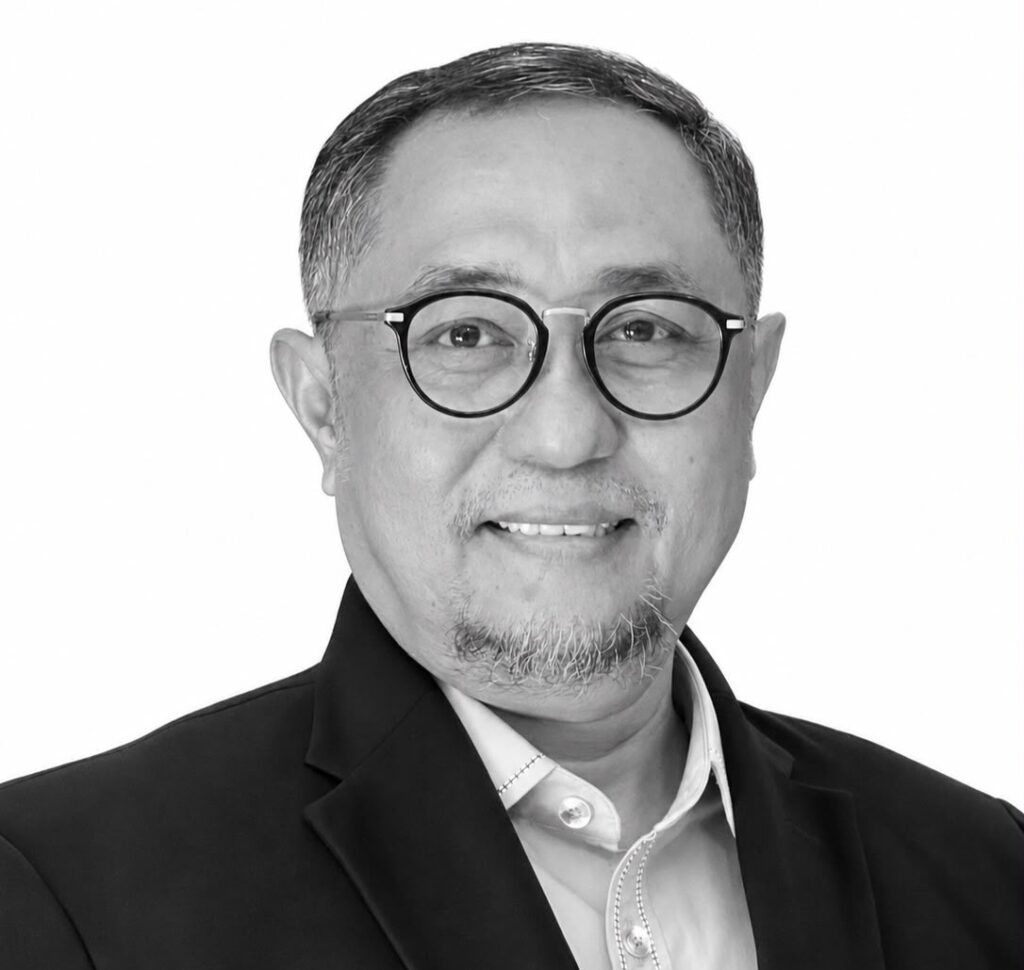
The Chairman of FPRMI Aceh, Muhammad Saleh, highlighted that understanding these legal boundaries is crucial to protecting press freedom while upholding legal responsibility and journalistic standards.
“The press serves as a cornerstone of democracy. Press freedom must be safeguarded and respected. Yet that freedom must operate hand in hand with professional responsibility, the journalistic code of ethics, and statutory law,” Saleh stated, accompanied by FPRMI Aceh Secretary Afrizal in Banda Aceh on Monday.
He noted that emerging digital technologies pose heightened challenges for journalists. Speed has become a paramount demand for news outlets, but speed must never undermine thorough verification and accuracy.
“The rush to report must not bypass the verification process. Journalists must understand their legal rights and protections, but they must also recognize their responsibilities and legal limits when performing journalistic duties,” he added.
To ensure a comprehensive dialogue, Afrizal noted that the panel brings together experts from various fields, addressing potential criminal risks in journalistic work beyond a purely media-centric view.
Among the featured speakers, Head of the PR Division of the Indonesian National Police Headquarters, Inspector General Police Johnny Edison Isir, S.I.K., M.T.C.P., will deliver a talk titled “Journalistic Products and Potential Criminal Liability: The Police Perspective on Safeguarding Press Freedom and Legal Certainty.”
Meanwhile, Member of Commission III of the House of Representatives (DPR RI), Dr. M. Nasir Djamil, will present on “Journalistic Products Amidst Criminal Law Reforms: Limits of Press Freedom and Legal Accountability.”
From an academic standpoint, Dr. Yusrizal, S.H., M.H., a scholar from Malikussaleh University Lhokseumawe, will unpack “Potential Criminal Threats in Journalistic Products: A Criminal Law and Press Law Perspective.”
Representing practical newsroom experience, Untung Kurniadi, Head of the Advisory Board of PP-FPRMI, will analyze “Common Errors in the News Gathering Process.”
“All key speakers have confirmed their participation in the seminar,” Saleh noted.
“This is the dialogue we want to foster. The press needs to comprehend the legal framework of law enforcement agencies, and law enforcement officials must likewise appreciate the nature of journalistic work. The same applies to legislators and academics. Through this open exchange, we hope to clear up misunderstandings when addressing news reporting disputes,” he explained.
FPRMI Aceh clarified that the panel is not intended to curb press freedom or intimidate reporters with criminal threats.
Instead, the initiative serves as an educational space, helping journalists and news executives develop stronger legal literacy in their daily operations.
“Legal literacy isn’t designed to constrain the press. On the contrary, by understanding the law, reporters can work more professionally and know how to seek legal protection when carrying out their duties under statutory regulations,” Saleh observed.
He stressed that conflicts often escalate when professional journalistic pieces are treated no differently than casual social media posts, ignoring the journalistic process behind them.
Therefore, he emphasized the need for clear understanding regarding the nature of journalistic products, newsroom workflows, code of ethics, rights of reply, rights of correction, and press dispute resolution procedures, alongside recognizing when a case crosses into criminal law.
“This goes beyond individual journalists. It touches on how democracy functions, how the public accesses accurate information, how the press performs its social oversight role, and how law offers legal certainty without stifling free speech,” he stated.
The seminar is open to diverse groups, including chief editors across Aceh, working journalists, public relations personnel from the Aceh Provincial Government and regional municipalities, public relations teams from local assemblies (DPRA/DPRK), media and civil society leaders, students, as well as PR officials from law enforcement and the military.
Afrizal, serving as FPRMI Aceh Secretary and Event Committee Chairman, stated that participant registration remains open until October 10, 2026.
“Registration can be completed through me as FPRMI Aceh Secretary and Event Chairman via phone or WhatsApp at 081263203737 up to 16:00 WIB,” Afrizal remarked.
He confirmed that the event is free of charge and open to all interested participants, with certificates provided.
FPRMI Aceh aims for this forum to establish a shared understanding that press freedom and legal enforcement are not opposing forces.
“We do not want journalists operating under the fear of criminal prosecution. Yet we also cannot allow press freedom to be viewed as unrestrained license,” Saleh concluded.
He emphasized that the solution rests on professional rigor, adherence to ethics, legal knowledge, and open dialogue between news organizations and key stakeholders.
“The faster information spreads, the greater the duty of news outlets to keep that information verified, precise, balanced, and accountable. Therefore, this seminar matters deeply not just for reporters, but for anyone who cares about press freedom and democracy,” Saleh concluded. (*)